ICYMI: Ohio Schools’ AI Policies Need a Classroom Plan
Ohio schools were required to adopt AI policies by July 1, 2026. WHIO’s coverage offers a starting point for asking how those policies translate into classroom practice.
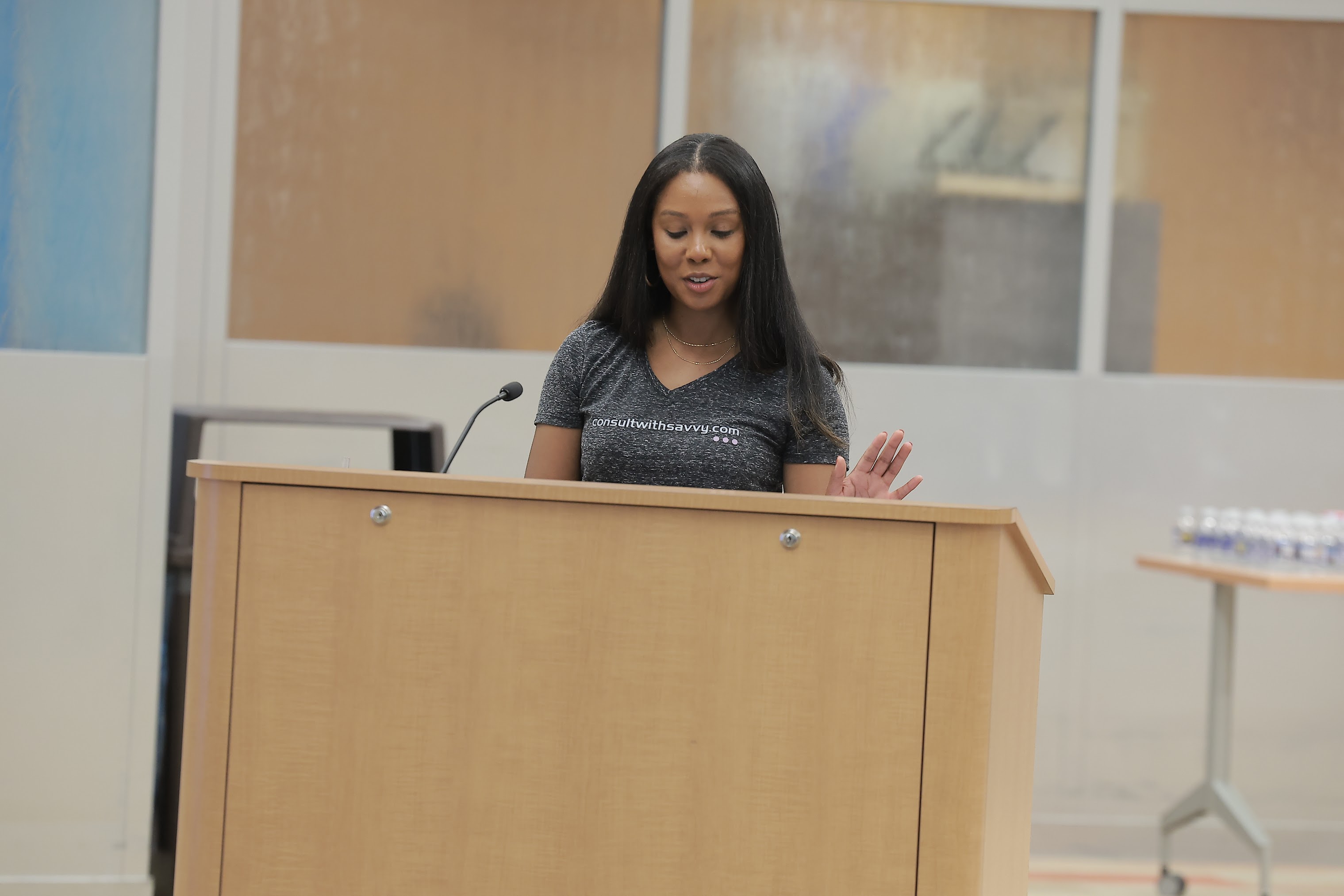
Hi, I’m Monique Wingard,
I speak on digital citizenship and train educators, students, and community leaders to use technology wisely, understand what they’re seeing online, and communicate responsibly in digital spaces.
Using pedagogy-first approaches (teaching strategies that focus on learning, not panic), I bring clarity and context to today’s digital world.
Connect with me:
my RESEARCH

Understanding media is not optional — it is essential. Knowledge is the antidote to fear. Educators and youth must be equipped with the clarity, confidence, and critical thinking skills needed to not just consume media, but to understand it.
Media messages do not just appear — they are constructed, circulated, and consumed with intent. Stuart Hall’s Circuit of Culture gives educators and students a shared language for understanding how that process works, and where they have the power to intervene.
Girls are not passive consumers of media — they are active meaning-makers. And because girls build their identities from what they see, hear, and absorb, centering their voices and experiences is not just an academic choice — it is how we raise women who know who they are and where they are going.
Every challenge girls face in the real world now has a digital dimension. Being a responsible, informed, and engaged participant in digital spaces is a skill that must be taught. Equipping girls and educators with that knowledge is how we turn digital natives into digital leaders.
Ohio schools were required to adopt AI policies by July 1, 2026. WHIO’s coverage offers a starting point for asking how those policies translate into classroom practice.
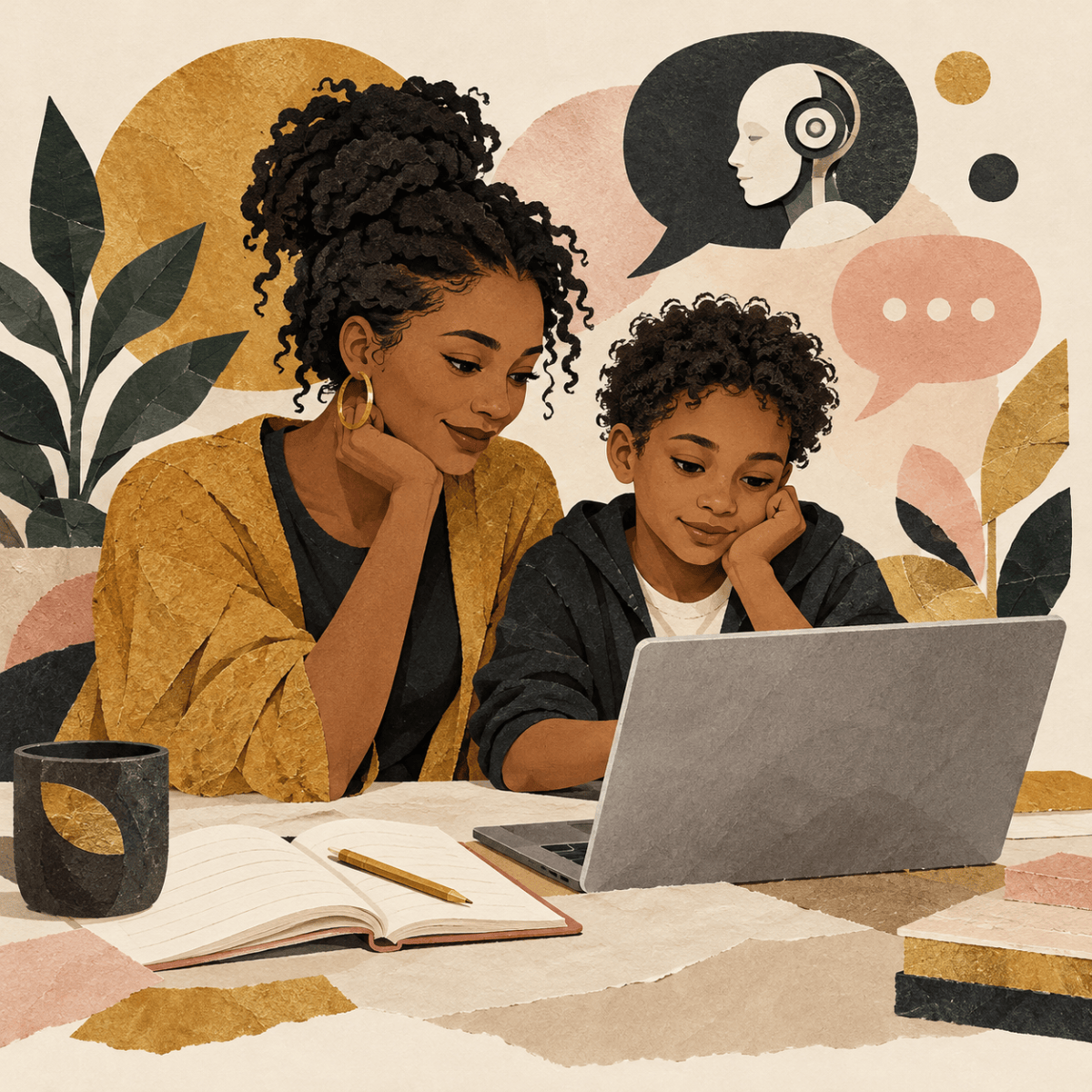
PBS explores how families can talk with tweens about AI. Start with questions, practice checking information, and make expectations clear.
AI leaders brought calls for safeguards to the United Nations. A media literacy lens helps us examine the evidence, interests, and voices shaping the debate.